Lego reported a much better-than-expected first half of 2026, with net profit rising 32% to 8,6 billion Danish kroner, or approximately €1,15 billion. Revenue reached a record 41,9 billion kroner, approximately €5,6 billion, up 21% year-on-year and 26% at constant exchange rates. Operating profit increased by 22% to 10,9 billion kroner.
The Danish group claims to have outpaced the global toy market and gained new market share. Consumer sales jumped 22%, driven by product lines such as Technic, Botanicals, Icons, Speed Champions, and Star Wars, as well as partnerships with Formula 1, the 2026 World Cup, and K-Pop Demon Hunters. More than 330 new products have been launched since January.
China remains the main weakness
Despite this growth, Lego is still struggling to win over Chinese consumers, who are more cautious with their spending. CEO Niels Christiansen nevertheless believes the company can maintain double-digit growth for the year as a whole. The rise in oil prices, a key raw material for plastic production, has not led to an increase in toy prices thanks to economies of scale and productivity gains.
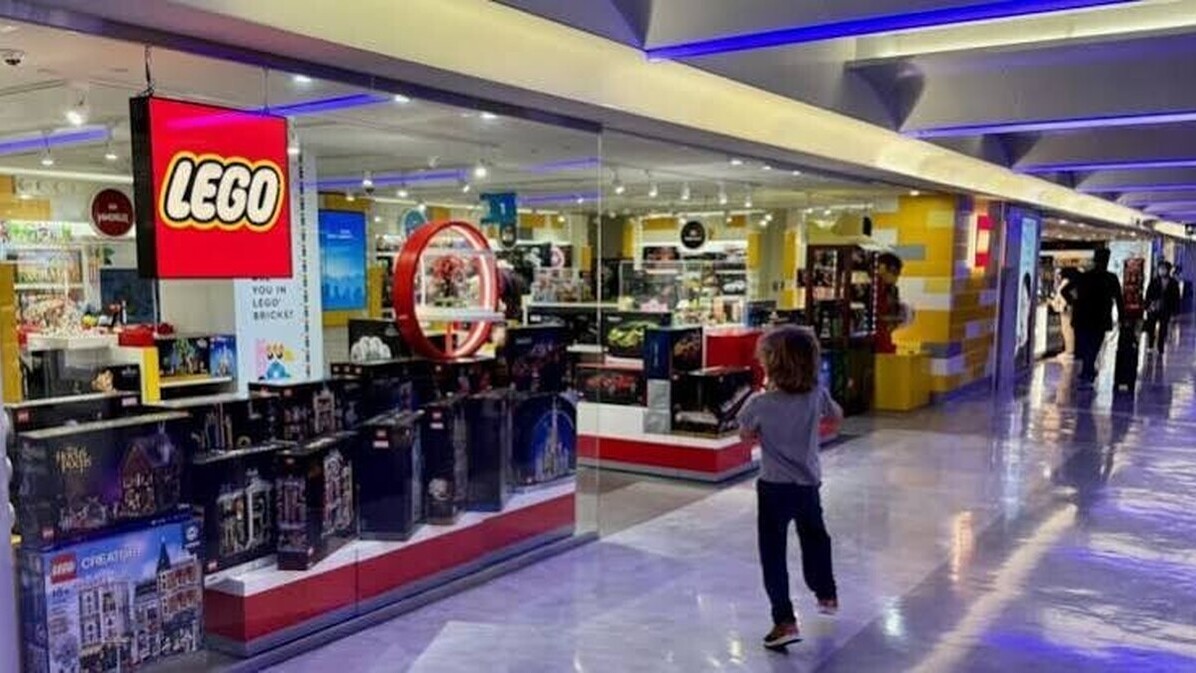
Lego is also continuing its investments in renewable and recycled materials, its industrial capabilities, and digital experiences. The group now has 1,106 stores worldwide and has acquired 29 Lego and Legoland Discovery Centers. This diversification allows the manufacturer to appeal to both children and adult collectors, while reducing its reliance on traditional brick sets alone.