Beijing is taking a proactive approach to support its economy. Chinese authorities will inject $54 billion into several major banks and insurance companies. This massive recapitalization is intended to bolster institutions weakened by the economic slowdown and enable them to increase their financing capacity.
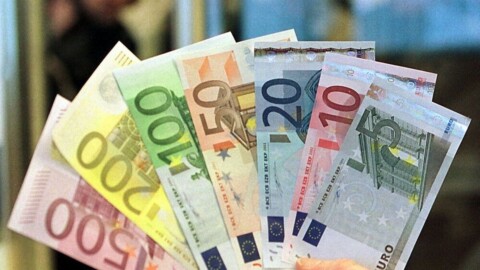
The funds, totaling nearly €46 billion, will come from several public bodies, including the Chinese Ministry of Finance. A company responsible for managing the state tobacco monopoly will also participate in the operation, a sign of the exceptional mobilization undertaken by Beijing to rapidly bolster the capital reserves of the financial sector.
Beijing wants to revive investment
The government's objective is twofold. First, this injection of funds is intended to replenish the capital of banks and insurers, thereby increasing their resilience to economic risks. The authorities also hope to encourage them to invest more in financial markets and to support economic activity through increased lending.
This intervention confirms concerns surrounding the world's second-largest economy, which is facing slower growth and persistent difficulties in several sectors. By directly recapitalizing its financial institutions, Beijing seeks to prevent a credit rating deterioration and restore confidence. However, the effectiveness of this strategy will depend on the banks' ability to transform this new capital into productive investments.